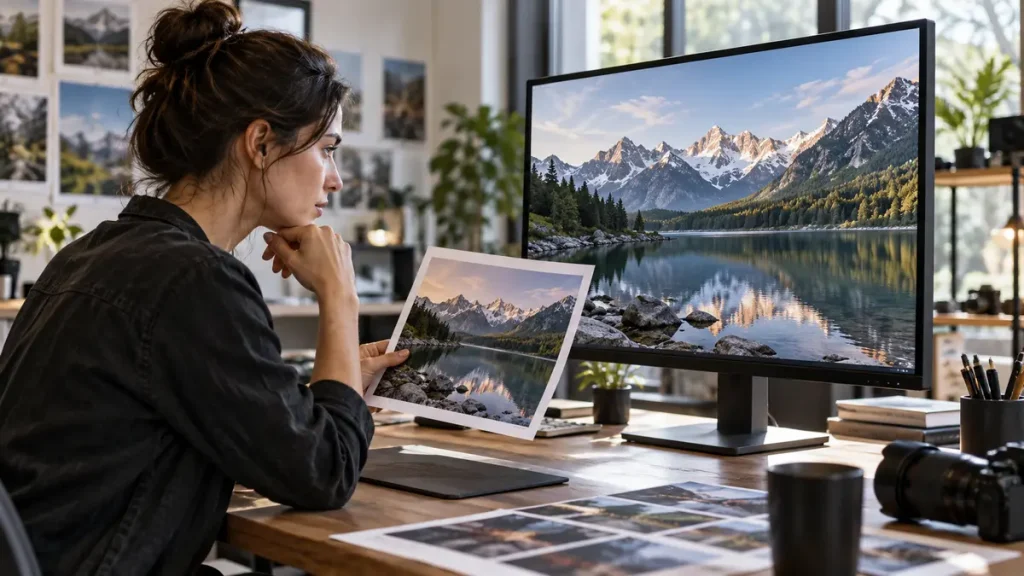
An AI-generated image can be beautiful, useful, funny, or completely misleading. The key question is not always whether it was made with AI; it is whether the image is presented honestly and whether it is safe to rely on. Before sharing, pause long enough to understand what viewers may assume from it.
Identify the claim the image appears to make
Does it suggest that an event happened, a product exists, a person said something, or a location looks a certain way? The stronger the implied claim, the more verification it needs. A decorative illustration and a supposed news photo should not be treated the same way.
Look for context, provenance, and independent evidence
Check the original account, publication date, caption, and supporting report. Reverse-image search and trusted reporting can help, but neither is perfect. Apply the same verification mindset to factual claims: trace information back to a reliable source instead of relying on appearance.
Do not use visual oddities as your only test
Hands, reflections, signs, and shadows may reveal errors, but improving tools can avoid obvious flaws. A polished image can still be invented. Focus on the claim, the source, and corroborating evidence—not a game of spotting pixels.
Consider consent and harm before sharing
Do not create or circulate realistic images of identifiable people in sensitive, humiliating, political, sexual, or emergency contexts without a clear legitimate basis and appropriate consent. Fraudsters can use convincing images to create pressure, so be especially cautious with requests involving money, identity, or urgency.
Label and use images honestly
When an image is illustrative or AI-generated, say so where the audience needs to know. Keep source files and prompts for your own records where appropriate. The Coalition for Content Provenance and Authenticity explains emerging approaches to content provenance and transparency.